

hello, I’m Mikaela Friedman
What does
mikaela
actually do?
Working at the intersection of community, product, and storytelling, my career has been rooted in care and thoughtful design.
From curating vintage fabrics to producing climate-focused fashion festivals or shaping branding proposals, each project is approached with both artistic intuition and strategic clarity.
Collaboration comes naturally, and translating trends, accessibility goals, and emotional narratives into palettes, products, and experiences is where I thrive. At the heart of my work, color is treated as a language—and it’s one I speak fluently.
-
Designing with care is my throughline.
Years of hands-on creation have shaped my belief that good design is as much about feeling as it is about form.
Every color and texture choice is intentional, considering not only how the piece will move and feel but also the emotions it will evoke.
-
I thrive on the details that transform ideas into meaningful experiences.
My approach balances big-picture thinking with flawless execution, always guided by values of sustainability, accessibility, and joy.
As a manager, I love collaborating with my team and make it a point to create a strong, solid front!
-
Connection is key!
My focus on crafting authentic experiences has fostered a loyal community and repeat audiences, driving not just cultural impact but measurable ROI for partners, sponsors, and collaborators. Every project is designed to invite people not just to show up, but to stay, connect, and return again.
My goal is to create environments, whether online or IRL, that are warm, functional, and collaborative, inviting people not just to show up, but to stay and connect. I want these communities to feel like we’re all sitting in my living room talking about the next big thing!
-
Storytelling is at the heart of everything I do.
My process weaves narrative into design, events, and brand strategy, ensuring that every project resonates on a deeper level.
This skill is a superpower and allows me to bring teams together around a shared vision, transforming abstract ideas into cohesive, compelling experiences that people remember.
my most valuable
experiences

sourcing vintage textiles with Psychic Outlaw
as the Design & Production Assistant
Led color and textile curation for collections made entirely from reclaimed vintage materials. Selected textiles based on dye reactivity, texture, and visual cohesion. Created custom made garments from secondhand textiles sourced from rag houses — requiring quick and precise material analysis and aesthetic judgment.


Exploring through the lens of the consumer
Through zines and paintings, I explore our relationship to color in both personal and public spaces. When I’m working in Zine’s, I focus on developing accessible, theme-based palettes used across print and digital media.
researching color palettes & consumer habits
as a Creative Producer at Slow Fashion Festival
Researched and built accessible color palettes based on ADA contrast research and emotional impact of color on consumer spending. Applied across print, web, and spatial design. Developed seasonally changing & theme-aligned color choices that increased social media engagement and brand recognition for event participants.
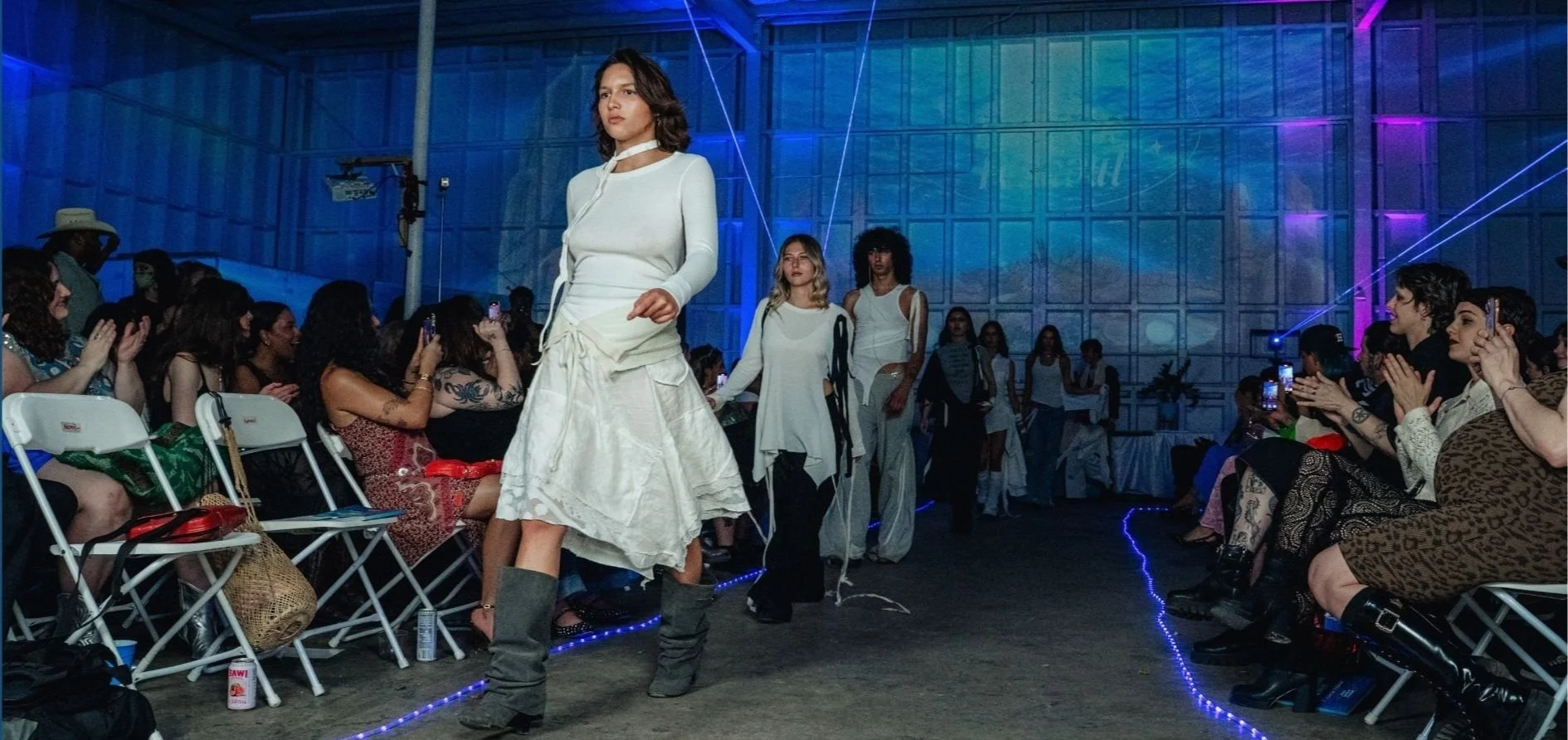
Opening SHop Slow / Austin’s only slow fashion store & sewing studio
as the Creative Director & co-founder
Led color and textile curation for collections made entirely from reclaimed vintage materials. Selected textiles based on dye reactivity, texture, and visual cohesion. Created custom made garments from secondhand textiles sourced from rag houses — requiring quick and precise material analysis and aesthetic judgment.
Awards & Recognitions
-
2025 Grant, VIBE Weekend Award | Austin, Texas
2025 Critic’s Pick Best of Austin Sustainable Event/Retail, The Austin Chronicle | Slow Fashion Festival, Austin,TX
2024 Gold Award, Austin Green Business Leader | Shop Slow, Austin, TX
2021 - 2024 Grant, Austin City Office of Sustainability Green Business Award | Austin, TX
2013-17 Academic Honors Scholarship, Academic Achievement Award, Thalheimer Scholarhip, Trustee Award, Dean’s Grant, Ruth Jenkins Bristor ‘35 Scholarship, NEA John Renna Art Scholarship, Dean’s List.
-